 CalcCommons
How to use
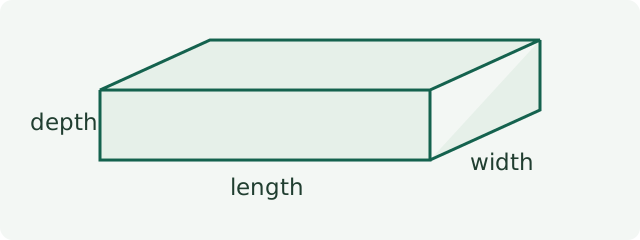
Choose the bed shape or enter a known area. Enter the installed depth, using a 2-, 3-, or 4-inch preset if appropriate, then adjust waste and cubic feet per bag. Calculate to see the volume and whole bags required.
For related tasks, try the Gravel Calculator.
Formula & how it works
Mulch volume = bed area × depth × (1 + waste/100). Bags = ceiling(cubic feet ÷ cubic feet per bag).
Worked example
Example 1
A 10 ft × 12 ft bed at 3 in depth needs 30 ft³ = 1.1111 yd³. With 2 ft³ bags and no waste, buy 15 bags.
Assumptions & practical notes
Common planning depths are 2, 3, or 4 inches; edit the depth for your plants and existing mulch layer. Do not treat presets as plant-specific guidance.
Check the bag’s volume. Settling, uneven ground, and existing mulch change how much new material you need.
See our calculation methodology for unit definitions and testing practices.
Results are estimates for planning purposes. Verify measurements, product specifications, and applicable building codes before purchasing materials or starting work.
Frequently asked questions
Should I round bag count up?
Yes. The result rounds up because a partial bag still requires buying a whole bag.
Does this estimate mulch weight?
No. Weight varies strongly with material and moisture; mulch is usually planned by volume.
Related calculators
Gravel Calculator
Estimate gravel volume and approximate weight from dimensions, density, and waste allowance.
Cubic Yard Calculator
Convert a rectangular bed, round bed, or known area and depth into cubic yards.
Square Footage Calculator
Add room areas and quantities, convert square units, and estimate cost per square foot.
Area Calculator
Calculate the area of six geometric shapes with conversions to common square units.